Office Cleanout Planning Guide for Small Businesses and Property Managers
Office Cleanout Planning Guide for Small Businesses and Property Managers
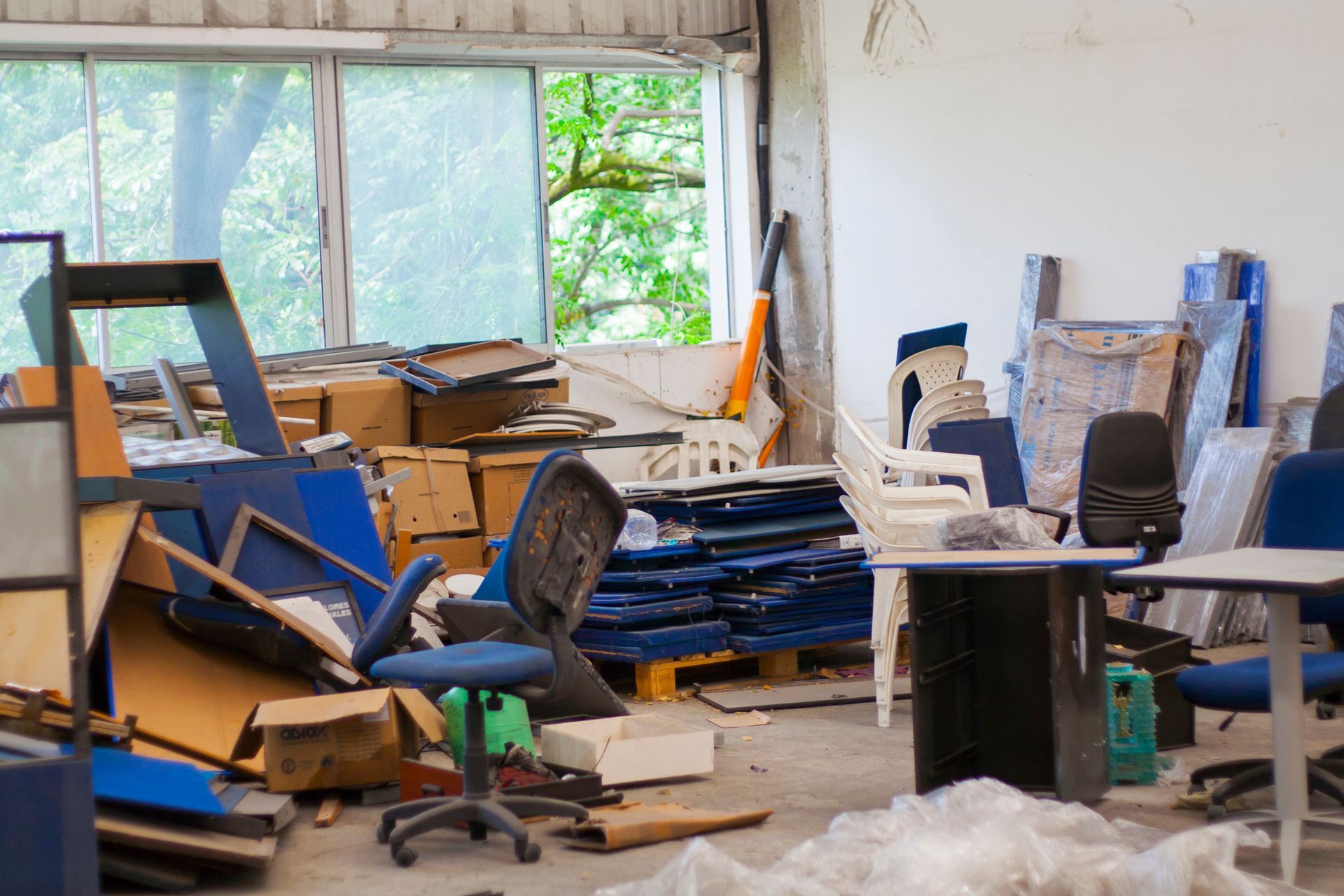
An office cleanout can quickly turn into a costly and time-consuming mess when it is not planned right. Desks pile up, old electronics sit untouched, and deadlines from tenants or lease turnovers add pressure. Small business owners and property managers often need a clear, step-by-step approach that keeps operations moving while freeing up space quickly.
This guide walks you through planning an office cleanout from start to finish. You will learn how to prepare, what to remove, how to avoid delays, and when to bring in a professional business junk removal team.
What Triggers an Office Cleanout and Why Planning Matters
Office cleanouts are rarely random. They usually happen during transitions such as lease endings, renovations, downsizing, or tenant turnover. For property managers, this often means tight deadlines and strict expectations from owners. For business owners, it often ties to cost savings or operational changes.
Planning matters because office cleanouts involve more than just hauling items away. You deal with bulky office furniture removal, outdated electronics, and sometimes confidential materials. Without a clear plan, teams lose time deciding what stays and what goes. That leads to delays and higher labor costs.
A structured approach keeps the process efficient. It also reduces risk, especially when handling heavy equipment or disposing of items that require proper recycling.
How to Assess the Scope of Your Commercial Cleanout Before You Start
Before any hauling begins, take time to assess the full scope of the cleanout. This step helps you avoid surprises on cleanout day.
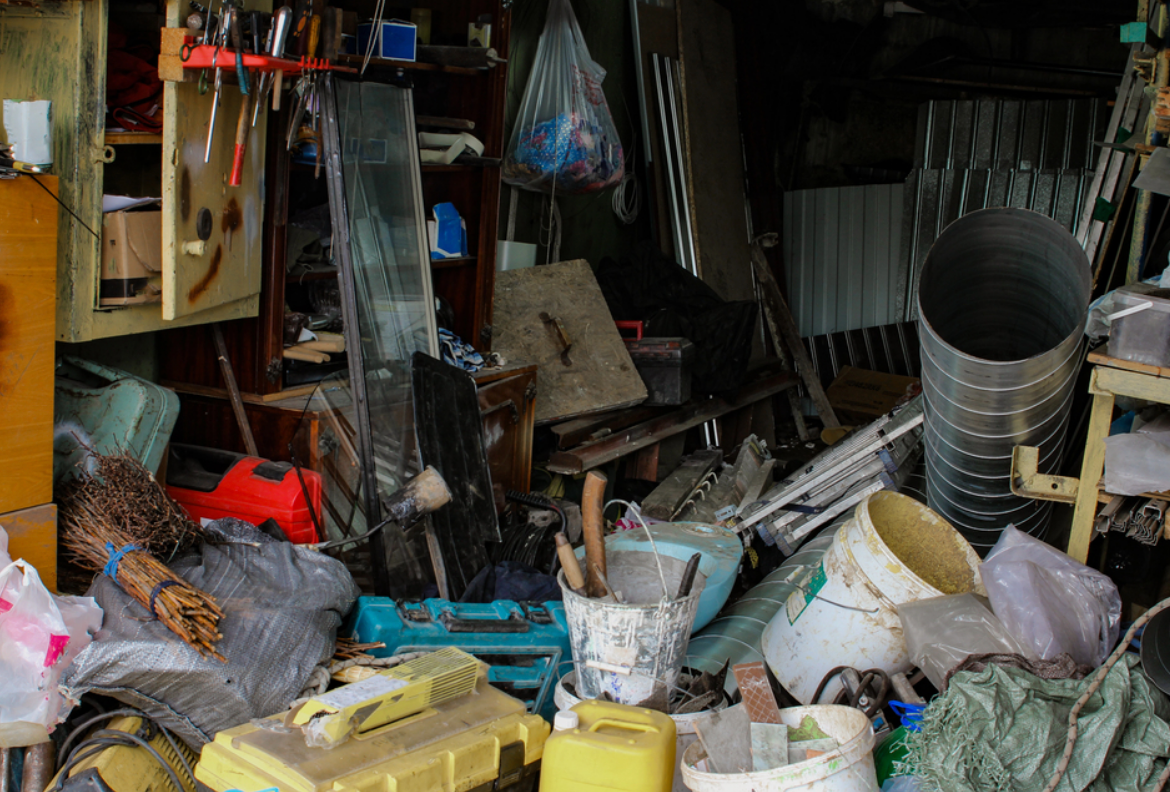
- Start by walking through the entire office space. Take note of large items like desks, cubicles, filing cabinets, and conference tables. Then check storage areas, break rooms, and back offices where unused items often collect.
- Next, separate items into categories. Keep, donate, recycle, and dispose. This simple sorting system helps you estimate how much volume you are dealing with. It also allows you to plan labor and equipment needs more accurately.
- Property managers should also check lease agreements. Some contracts require the complete removal of fixtures or specific cleanup standards. Missing these details can lead to penalties or delayed turnovers.
What Items Can Be Removed During Office Furniture Removal and What Needs Special Handling
Office cleanouts include a wide range of materials. Knowing what can be removed easily and what needs special handling helps you avoid delays.
Most
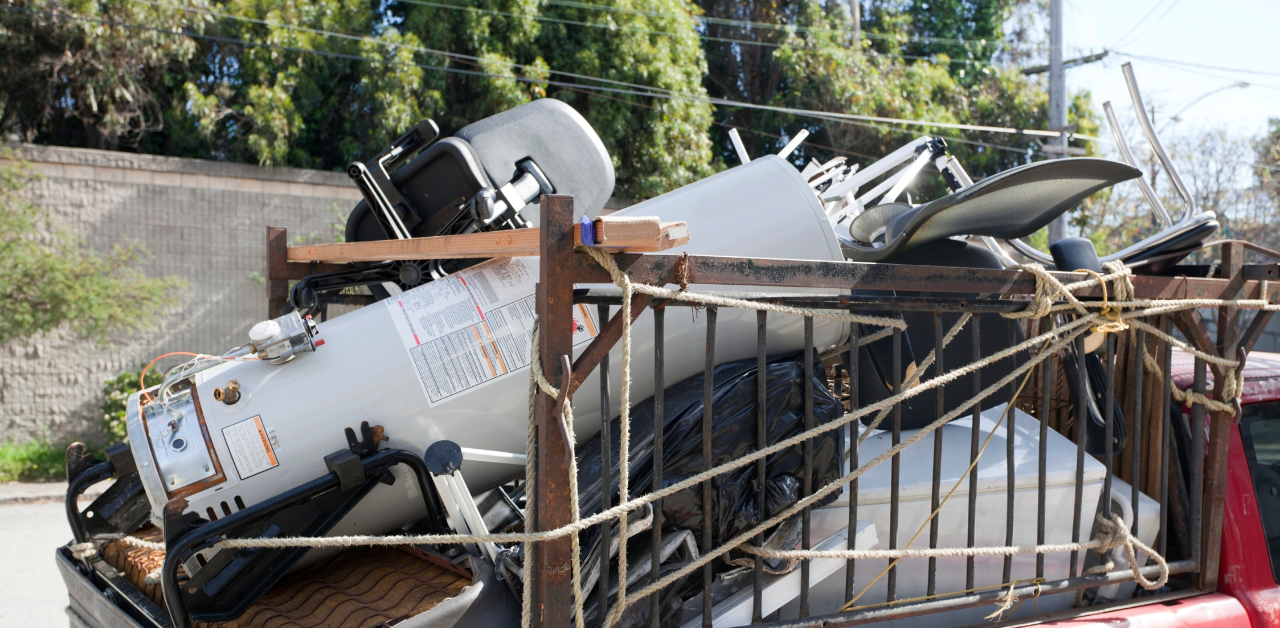
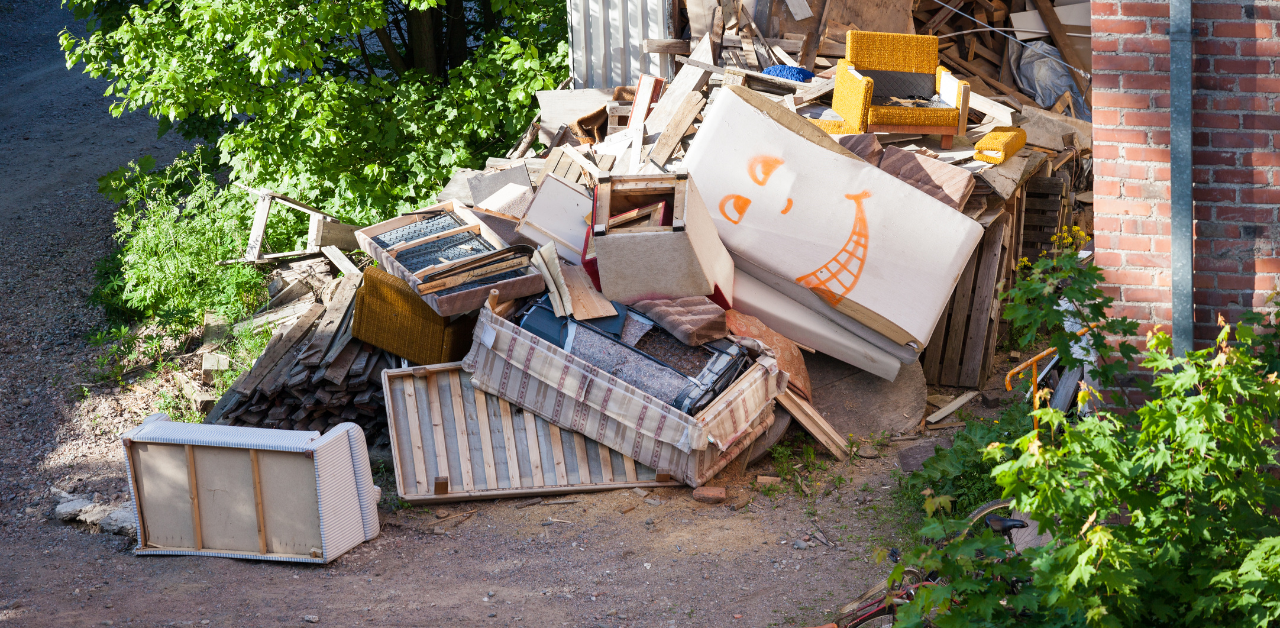
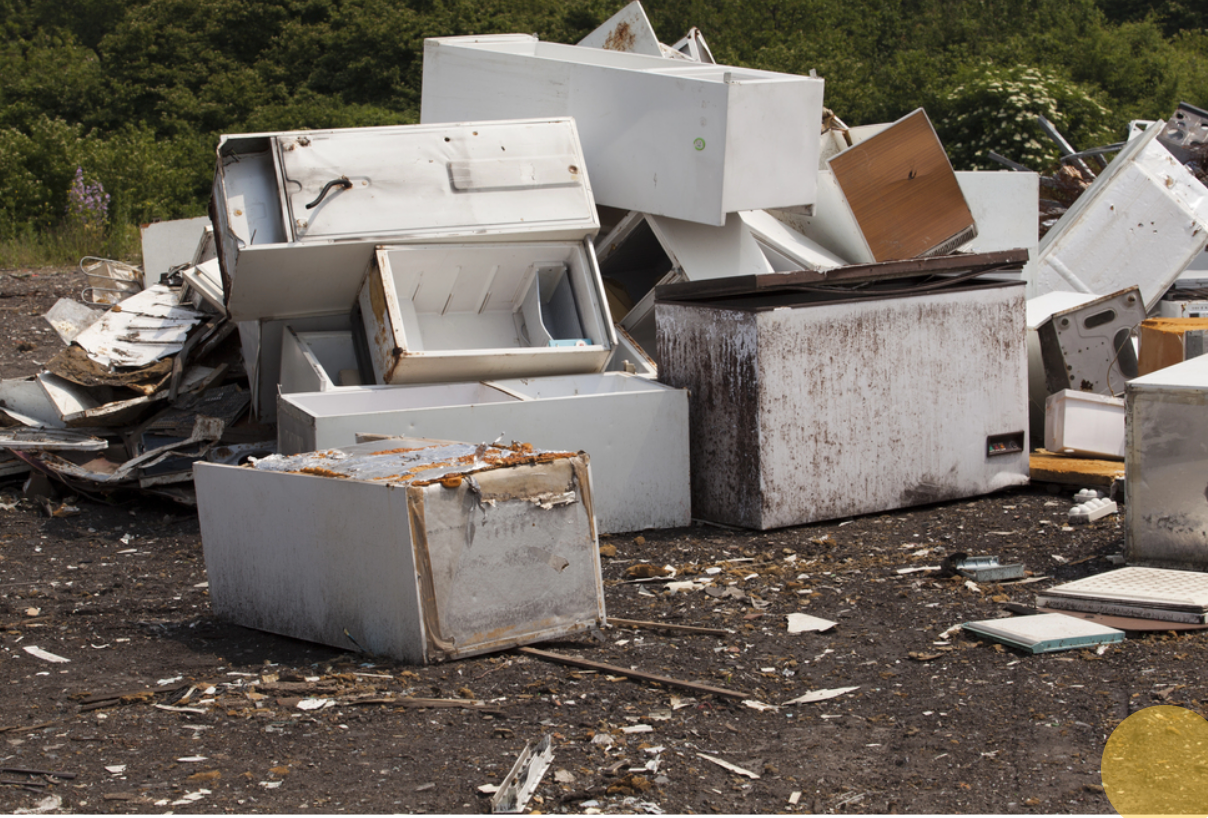
business junk removal services handle common items such as desks, chairs, cubicles, shelving units, printers, and general office clutter. Breakroom appliances, such as microwaves and refrigerators, are also usually included.
Electronics require more attention. Computers, monitors, and servers may need proper e-waste disposal. Some areas have strict rules for these items, so they cannot go to standard landfills.
Confidential documents also need careful handling. Shredding or secure disposal is often required, especially for businesses that handle sensitive client data.
Hazardous materials are another category to watch. Items like old paint, chemicals, or certain batteries may require specialized disposal services. Identifying these early prevents last-minute issues.
How to Schedule a Property Manager Cleanout Without Disrupting Tenants or Operations
Timing plays a major role in a successful office cleanout. For property managers, the goal is to clear the space quickly while minimizing disruptions.
Start by setting a clear timeline. Align the cleanout with lease end dates or move-out schedules. This ensures that crews can begin work as soon as the space is available.
If the building is still occupied, schedule work during off-hours. Early mornings, evenings, or weekends help reduce noise and traffic. This keeps other tenants comfortable while the cleanout is in progress.
Communication is also important. Notify tenants, maintenance teams, and building management in advance. Clear communication prevents confusion and helps everything run smoothly.
For business owners, planning around operational downtime works best. Schedule the cleanout during slower periods or after relocating staff to another space.
Cost Factors That Affect Business Junk Removal Projects
Understanding what affects pricing helps you plan your budget and avoid surprises. Volume is the biggest factor. The more items you need removed, the higher the cost. Large office furniture and bulky equipment increase both labor and hauling requirements.
Labor also plays a role. Offices with multiple floors, tight hallways, or limited elevator access may require more time and effort. This can increase overall pricing.
The type of materials matters as well. Items that require special disposal, such as
electronics or certain appliances, may come with additional fees.
Location and timing can also influence cost. Same-day or urgent cleanouts often come at a premium. Planning ahead gives you more flexibility and can help reduce expenses.
How to Prepare Your Team and Workspace for a Faster Cleanout Day
Preparation makes a big difference in how quickly your cleanout is completed. Start by removing personal belongings and important documents ahead of time. This prevents delays once the crew arrives.
Label items that should not be removed to avoid confusion. Clear pathways throughout the office. Move smaller items out of the way so crews can access larger furniture easily. This reduces handling time and improves safety.
Assign a point of contact. Having one person available to answer questions keeps the process organized. It also ensures that decisions can be made quickly if anything unexpected comes up. For property managers, confirm access details in advance. Make sure keys, codes, or building access permissions are ready. This prevents delays at the start of the job.
When to Choose Professional Commercial Cleanout Services Over DIY Removal
Some small cleanouts can be handled internally. However, larger projects often require professional help.
If your office has heavy furniture, multiple rooms, or tight deadlines, hiring a professional team is the better option. A commercial cleanout service has the equipment and crew to handle large volumes quickly and safely.
DIY removal often leads to hidden costs. Renting trucks, paying for disposal fees, and spending staff hours on hauling can add up. There is also the risk of injury when moving heavy items without proper training.
Professional teams also handle disposal responsibly. Many items can be recycled or donated, which reduces landfill waste. This adds value while keeping your cleanout compliant with local regulations.
How We Handle Office Cleanouts at Everyday Junk Removal
At Everyday Junk Removal, we approach office cleanouts with a focus on speed, organization, and clear communication.
We start by understanding your timeline and scope. This allows us to plan the right crew and equipment for your project. Our team handles everything from office furniture removal to full property manager cleanout jobs.
We handle lifting, loading, and hauling. You do not need to move anything. We also sort items for donation and recycling whenever possible. This keeps your cleanout efficient and responsible.
Our process is simple. You point to what needs to go, and we handle the rest. For businesses and property managers in Fresno and surrounding areas, this means faster turnovers and less stress.
Turn Office Cleanouts Into a Faster, Smoother Process
A clean, cleared office creates more than extra space. It makes the next step easier. That could mean preparing a suite for a new tenant, closing out a move, or getting a business ready for a better layout and smoother daily operations. The real value of a well-managed cleanout is momentum. Instead of getting stuck with unwanted furniture, outdated equipment, and packed storage areas, you can move forward without the clutter holding things up.
At Everyday Junk Removal, we help make that transition easier for small businesses and property managers. We handle the heavy lifting, sorting, loading, and hauling so you can stay focused on your property, your tenants, or your business. If you are ready to clear out your office space and get the job done right, contact us today.
Frequently Asked Questions
What is the difference between a commercial cleanout and regular junk removal?
A commercial cleanout involves clearing an entire business space such as an office, retail unit, or warehouse. It often includes large volumes of furniture, equipment, and debris. Regular junk removal usually focuses on smaller, single-item pickups or residential jobs. Commercial projects require more planning, coordination, and often tighter timelines.
How long does an office cleanout usually take?
The timeline depends on the size of the space, the amount of material, and accessibility. A small office may be cleared in a few hours, while larger offices or multi-floor buildings can take a full day or more. Proper planning and staging can significantly reduce the total time required.
Can office furniture and equipment be donated instead of thrown away?
Yes, many items such as desks, chairs, and working electronics can be donated if they are still in good condition. Donation helps reduce waste and can support local organizations. A professional team can help identify items that qualify and handle the drop-off process when available.
Do I need to be present during the cleanout process?
You do not always need to be on-site for the entire cleanout. However, it is helpful to be available at the start to confirm what needs to be removed. Having a designated contact person ensures quick decisions if questions come up during the job.
How far in advance should I schedule a property manager cleanout?
It is best to schedule at least a few days in advance, especially during busy seasons. Early booking gives you more flexibility with timing and helps secure the right crew size for your project. For urgent situations, many providers can accommodate faster scheduling based on availability.